Dreaming of trading the unpredictable Irish weather for the sunny coasts of Andalusia or the vibrant streets of Madrid? Moving to Spain is an exciting life upgrade, but dealing with immigration paperwork can quickly feel overwhelming. Whether you are relocating for work, retirement, or simply a change of scenery, understanding the legal requirements is your first crucial step.
If you are researching the Spain visa Ireland process, you are in the right place. The rules vary dramatically depending on your nationality, even if you are currently living in Dublin, Cork, or Galway. Let’s break down exactly what you need to legally live, work, and thrive in Spain, without getting tangled in complex bureaucracy.
Do You Actually Need a Spain Visa Ireland Application?
The answer to this question entirely depends on the passport you hold, not just where you currently live. Your nationality dictates your next steps.
Irish Citizens (EU Passport Holders)
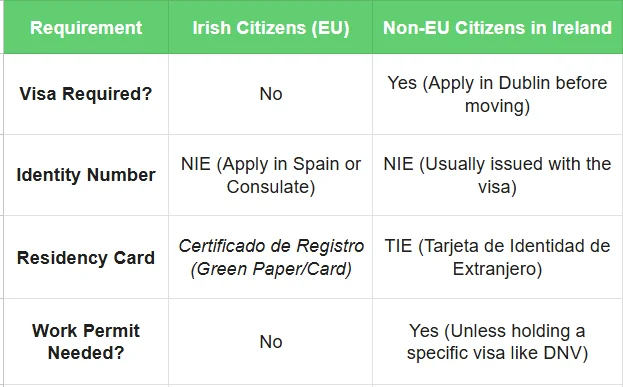
Great news! Because Ireland is part of the European Union, you enjoy the freedom of movement. You do not need a traditional Spain visa Ireland to move, work, or study in the country. However, you cannot just pack your bags and stay forever without doing any paperwork.
If you plan to stay in Spain for longer than 90 days, you must register as a resident. This involves obtaining your NIE (Número de Identidad de Extranjero – a unique tax identification number for foreigners) and your Certificado de Registro de Ciudadano de la Unión (the green EU residency certificate). To get this, you will need to prove you have sufficient financial means and healthcare coverage.
Non-EU Citizens Residing in Ireland
If you hold a passport from a non-EU country (such as the UK, USA, India, or Nigeria) but currently reside in Ireland with an Irish Residence Permit (IRP), your situation is different. You do not have EU freedom of movement. Therefore, you must submit your Spain visa Ireland paperwork at the Spanish Consulate in Dublin before you travel. You cannot arrive in Spain as a tourist and simply decide to stay.
Here is a quick visual breakdown to help you understand the core differences:
Top Visa Options for Non-EU Residents in Ireland
For those who do require a visa, Spain offers several excellent pathways in 2026. Choosing the right one depends on your employment status and financial situation.
Perfect for remote workers and freelancers. If you work for an Irish company (or any company outside of Spain) and can perform your duties remotely, this is a fast-track option. It offers a favorable tax regime and allows you to bring your family.
Ideal for retirees or those with substantial savings. This visa allows you to live in Spain, provided you can prove you have enough passive income to support yourself without working locally.
The Capital Investment & Entrepreneur Visa
If you have significant capital or a business project, you can secure residency through financial or corporate pathways. You can qualify by investing €1 million in Spanish corporate shares, venture capital funds, or bank deposits, or €2 million in Spanish public debt. Alternatively, you can apply by launching an innovative startup project that creates employment and contributes to the local economy. Always verify the latest requirements with a legal professional.
Step-by-Step Guide to Your Relocation
Getting your paperwork sorted requires methodical planning. Whether you are applying for a visa or just registering as an EU citizen, follow these steps to avoid delays.
Step 1: Gather and Legalize Your Documents
Spain loves official paperwork. Most foreign documents (like Irish birth or marriage certificates) must be legalized with an Apostilla de La Haya (Hague Apostille) and translated into Spanish by a sworn translator (Traductor Jurado).
Step 2: Book Your Appointments Early
The Spanish system relies heavily on the Cita Previa (prior appointment) system. Whether you are booking at the Dublin Consulate for your visa or at a local police station in Spain for your NIE, slots fill up weeks in advance. Do not leave this until the last minute.
Step 3: Register Your Address in Spain
Once you arrive in Spain and secure a rental contract or buy a property, your very first task is the Empadronamiento. This is the process of registering your address at the local town hall (Ayuntamiento). You will need this certificate for almost everything else, from setting up utilities to registering for healthcare.
Navigating Spanish bureaucracy requires patience, but understanding the exact steps for your specific situation makes it entirely manageable. Gather your documents meticulously, respect the appointment systems, and you will be sipping coffee on a sunny terrace before you know it. Welcome to your new life in Spain!
Frequently Asked Questions (FAQs)
Do I need to speak Spanish to apply for a visa in Dublin?
No, the staff at the Spanish Consulate in Dublin can assist you in English. However, all your official documents submitted for the application must be officially translated into Spanish by a certified sworn translator.
How long does it take to get a NIE from Ireland?
If you apply for a non-resident NIE through the Spanish Consulate in Dublin, it typically takes between 2 to 4 weeks. If you are moving to Spain, it is often faster to apply directly in Spain once you arrive, provided you manage to secure a cita previa quickly.
Can I convert my Irish residency directly into Spanish residency?
No. An Irish Residence Permit (IRP) allows you to live in Ireland, but it does not grant you the right to live in Spain. You must apply for a brand new Spanish visa or residency permit based on your nationality and personal circumstances.
If you need personalized assistance, at Entre Trámites we offer management and advisory services on immigration matters. You can contact us through this contact form for us to call you, or if you prefer, you can schedule a free consultation or write to us on WhatsApp.