Losing a loved one is an incredibly difficult experience, and dealing with foreign bureaucracy during such an emotional time can add an immense layer of stress. If you are set to inherit property, money, or other assets located in the country, understanding the inheritance tax in Spain is absolutely vital.
The Spanish system works very differently from those in countries like the UK or the US. Here, the tax obligation falls on the person receiving the assets (the heir), rather than on the estate itself. This comprehensive guide will walk you through the real deadlines, how your residency status impacts your tax bill, and why having the right paperwork can save you both money and headaches.
Understanding the Inheritance Tax in Spain
The inheritance tax in Spain is officially known as the Impuesto de Sucesiones y Donaciones (ISD). It is a progressive tax, meaning that generally, the more you inherit, the higher the percentage you pay.
However, before you worry about losing a massive portion of your inheritance to the state, you must understand who you pay it to. While the national government sets the baseline rules, the actual tax collection and the application of massive discounts are handled by the autonomous communities (the regional governments).
Before you can officially transfer a property into your name or access your deceased loved one’s bank accounts, you must settle this tax with Hacienda (the Spanish Tax Agency) or the corresponding regional tax office. To do anything, you will first need a NIE (Número de Identidad de Extranjero, your Foreigner Identity Number).
The Strict Timeline: The 6-Month Rule
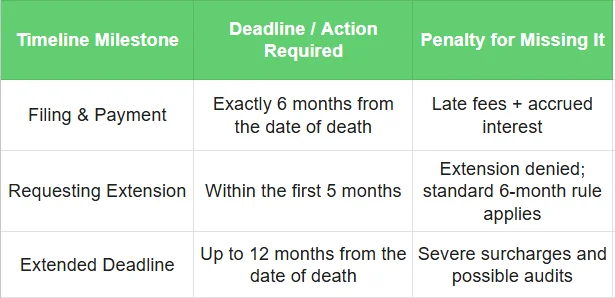
The most critical thing you need to know about inheriting assets in Spain is the deadline. You do not have years to sort out the estate. In 2026, the law remains incredibly strict: you have exactly six months from the date of the person’s death to declare and settle the tax.
If you fail to meet this deadline, Hacienda will impose severe financial penalties and late payment interest.
Requesting an Extension (La Prórroga)If the estate is complex or gathering international documents is taking too long, you can request an official extension (prórroga). This grants you an additional six months. However, there is a catch: you must request this extension strictly within the first five months following the death. Keep in mind that while the extension prevents late filing penalties, the tax office will still charge standard statutory interest for the extra months.
Residents vs. Non-Residents: Who Pays What?
Historically, non-resident heirs faced much higher tax bills than residents because they were forced to use state rules instead of generous regional allowances. Thankfully, following landmark rulings from the European Court of Justice and the Spanish Supreme Court, this discrimination was abolished.
Today, whether you are a resident of Spain, an EU citizen living abroad, or a non-EU citizen (like a US or UK expat), you have the right to apply the regional tax rules of the autonomous community where the majority of the deceased’s Spanish assets are located.
This is fantastic news because regions like Andalusia, Madrid, and the Valencian Community offer massive tax allowances for direct relatives (spouses, children, and parents), often resulting in a 99% reduction of the final tax bill. If you are inheriting from a distant relative or an unrelated friend, however, these generous allowances generally do not apply, and your tax rate will be significantly higher.
The Crucial Role of a Spanish Will (Testamento)
A common question among expats is whether they need a separate Spanish will if they already have a valid will in their home country. While a foreign will is legally recognized in Spain, relying on it creates a logistical nightmare for the heirs.
To use a foreign will, your heirs must get it legalized with a Hague Apostille, officially translated into Spanish by a sworn translator, and validated through a complex legal process. This can take months, eating directly into your strict 6-month tax deadline.
Having a Spanish Testamento drafted by a Notario (a Notary Public—a highly qualified legal professional in Spain who authorizes documents) specifically for your Spanish assets makes the process smooth and fast. The notary registers the will in the Central Registry of Last Wills in Madrid. When the time comes, your heirs can quickly obtain a copy, prove their rights, and begin settling the inheritance tax in Spain without international delays.
The Catch-22: Paying Before Accessing Funds
One major hurdle heirs face is that Spanish banks freeze the deceased’s accounts upon death. You cannot use the inherited money to pay the tax. You must pay the tax first out of your own pocket to unfreeze the accounts. Fortunately, you can legally authorize the bank to issue a direct check to the tax office from the deceased’s frozen account, solving this liquidity issue.
Frequently Asked Questions (FAQs)
Can I inherit a Spanish property first and pay the taxes later?
No. In Spain, you cannot change the title deeds of a property at the Land Registry or legally sell the property until you have proven that the inheritance tax has been fully declared and paid.
Are spouses automatically exempt from paying inheritance tax?
Unlike in some countries, spouses are not automatically 100% exempt from inheritance taxes at a national level. However, depending on the autonomous region where the assets are located, spouses often benefit from regional allowances that can reduce the final tax bill by up to 99%.
Do I need to travel to Spain to settle the inheritance?
You do not necessarily have to be physically present in Spain. You can grant a Power of Attorney (Poder Notarial) to a trusted Spanish lawyer or tax advisor who can apply for your NIE, sign the deeds before the notary, and file the taxes on your behalf.
Navigating the inheritance tax in Spain demands prompt action and a clear understanding of your legal obligations. By being hyper-aware of the six-month deadline, securing a localized Spanish will, and leaning on the favorable regional tax regulations available to non-residents, you can protect your inherited wealth and finalize the estate respectfully and efficiently.
If you need personalized assistance, at Entre Trámites we offer management and tax advisory services for freelancers and SMEs. You can contact us through this contact form for us to call you, or if you prefer, you can schedule a free consultation or write to us on WhatsApp.